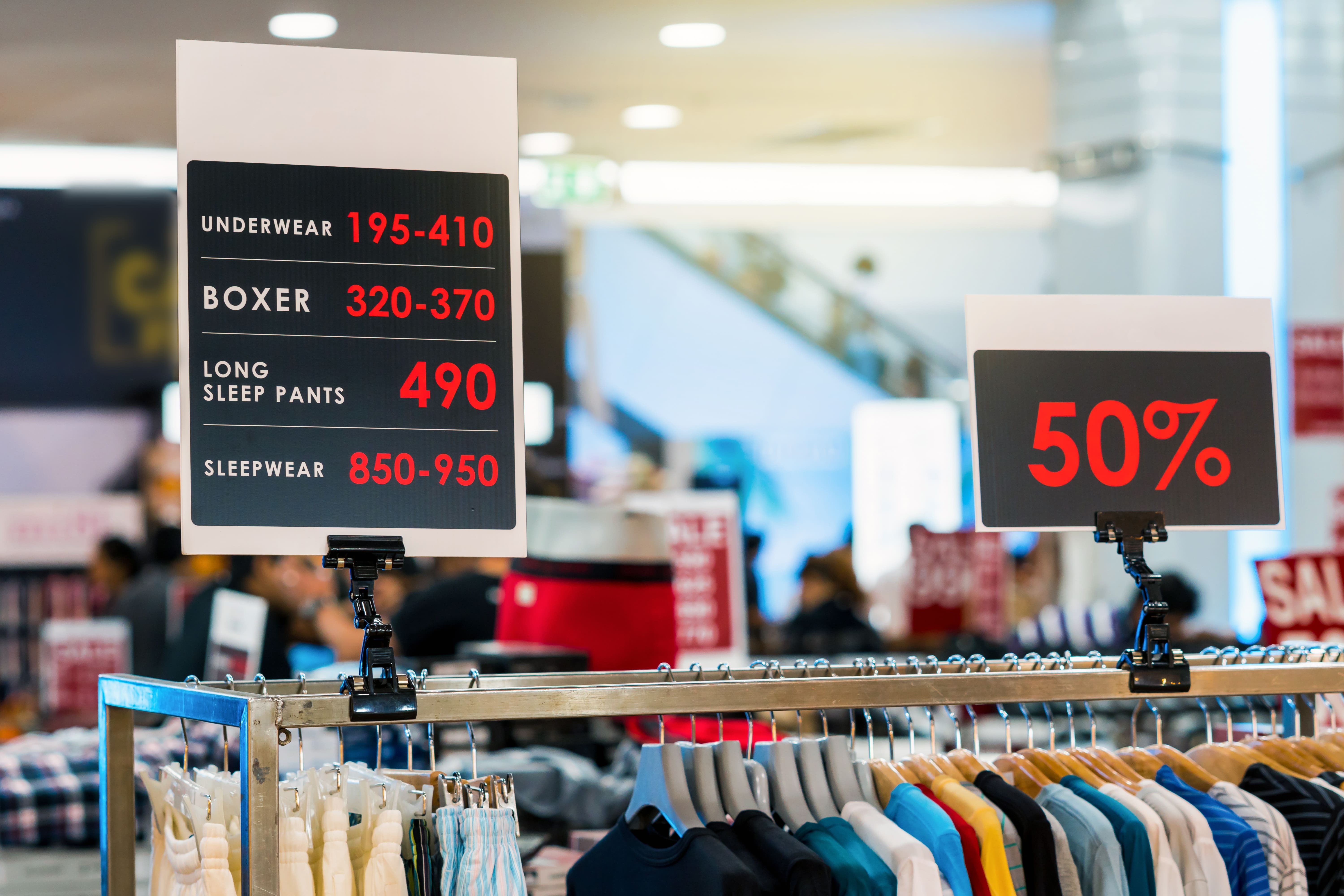






The optimal enterprise promotional tactic depends on the immediate business objective: Product Bundling increases average order value by combining complementary SKUs, while Flash Sales accelerate inventory clearance through time-bound urgency. Buy-One-Get-One (BOGO) offers drive volume for specific product lines, whereas Temporary Price Reductions (TPRs) provide straightforward discounting. Selecting the right mechanism requires aligning margin thresholds with inventory velocity goals.
How Do Enterprises Evaluate Promotional Tactics Effectively?
Enterprise promotional evaluation compares the incremental margin a discount generates above baseline sales against the operational cost of inventory holding and fulfillment. Relying on flat revenue metrics often masks margin erosion, leading to unprofitable sales spikes.
Revenue operations teams constantly weigh whether to prioritize average order value, customer acquisition, or inventory clearance. The common approach to evaluation usually defaults to whichever tactic generated the highest gross merchandise value in the previous quarter. This method falls short because it ignores the operational friction of fulfillment and the long-term impact on brand positioning. A high-revenue flash sale clears warehouses, but run too often it trains customers to wait for deep discounts, devaluing the brand's core product lines.
What Criteria Separate Profitable Promotions From Margin-Eroding Discounts?
Promotional profitability frameworks evaluate tactics based on incremental lift over baseline, margin buffer, SKU velocity, and integration complexity within the enterprise resource planning (ERP) system. Aligning the promotional type with these operational constraints ensures that revenue gains do not result in net-negative operating margins.
To evaluate how to decide between a TPR and a BOGO offer for a seasonal product campaign, operators must analyze the margin structure of the specific SKUs. Product bundling and BOGO promotions affect profit margins differently because bundling spreads the discount across multiple complementary items, preserving the perceived value of the anchor product. A standard BOGO on identical units equals a 50% effective discount, which clears inventory depth quickly but cuts per-unit margin by more than half, because the full cost of the free unit still has to be covered.
When assessing what are the long-term effects of frequent TPRs vs occasional flash sales on customer loyalty, the frequency of the discount dictates buyer behavior. Frequent TPRs create a baseline expectation of lower prices, which damages customer loyalty when prices return to normal. Occasional flash sales protect brand equity by isolating the discount to a specific, narrow time window, making the event feel exclusive rather than structural. Deep flash discounts can still pull forward purchases shoppers would have made at full price, so that lost margin belongs in the evaluation.
How Does Promotional Selection Impact Operations During a Campaign?
Promotional execution requires seamless synchronization between the ecommerce platform and warehouse management systems to prevent overselling. Misaligned tactics generate fulfillment bottlenecks that negate the financial benefits of the campaign.
Illustrative example: A mid-market retail operations team debates how to clear 10,000 units of seasonal apparel before the quarter ends. The merchandising director pushes for a site-wide 40% Temporary Price Reduction, assuming a simple price cut drives immediate volume without requiring complex cart logic. The team configures the TPR in their ecommerce and store pricing systems and launches the campaign.
Within hours, the operational gaps in this evaluation become obvious. The TPR drives traffic, but customers buy only single, highly discounted items. The warehouse is suddenly overwhelmed with thousands of single-unit orders, driving up pick-and-pack labor costs and shipping overhead. The evaluation focused entirely on clearing units and ignored the fulfillment cost per order. The margin is completely destroyed by logistics expenses.
If the team had evaluated the tactics against fulfillment constraints, they would have deployed a Product Bundling strategy instead. By requiring customers to buy the seasonal item bundled with a higher-margin, evergreen accessory, the average order value rises to absorb the shipping costs, provided the bundle does not cannibalize the accessory's full-price sales. A bundled approach consolidates picking routes in the warehouse, transforming a logistical loss into a profitable clearance event. The difference between a margin-negative disaster and a successful transition relies entirely on matching the promotion to the operational reality.
How Do Traditional Discounts Compare to Advanced Promotional Logic?
Advanced promotional logic utilizes conditional cart rules to protect margins, whereas traditional discounting applies a flat price reduction to the item itself. This distinction determines whether a campaign acquires high-value customers or simply subsidizes existing ones.
What Are the Operational Requirements for Enterprise Promotions?
Enterprise promotional readiness requires validating system latency, inventory synchronization, and margin thresholds before campaign launch. Executing complex offers without these safeguards risks overselling and severe margin degradation.
- Inventory Synchronization: Stock positions that lag between POS, ecommerce, and ERP = HIGH RISK. Stock positions that match across channels at launch = PASS. Action: Confirm how quickly the ecommerce platform and the inventory master reconcile stock before running flash sales.
- Margin Threshold Validation: Forecast incremental margin below the minimum margin set in your pricing rules = FAIL. Incremental margin that covers the discount, marketing, and fulfillment cost = PASS. Action: Simulate the offer against its baseline, including affinity and cannibalization effects and the fully landed cost with pick-and-pack labor, before approving BOGO offers.
- Cart Logic Load Testing: Checkout that slows noticeably under peak load = HIGH RISK. Action: Run synthetic traffic tests on bundling scripts to ensure the checkout's promotion rules do not crash the checkout flow.
What Are the Considerations Before Implementing Complex Promotional Tactics?
Complex promotional tactics require sophisticated data infrastructure and continuous monitoring to prevent margin leakage. Selecting the wrong strategy alienates customers and overwhelms fulfillment centers.
- Not suitable when: The primary goal is simple brand awareness; forcing users through complex bundle configurations creates friction that reduces top-of-funnel conversion.
- Consideration: BOGO and bundling require accurate cost allocation in the ERP to track the cost of goods sold (COGS) across split SKUs for accounting compliance.
- Trade-off vs alternative: Running a flash sale generates immediate cash flow but carries significantly higher operational risks—such as site crashes and warehouse bottlenecks—compared to a simple, sustained Temporary Price Reduction.
Next Step: Evaluate your current promotional strategy against these operational thresholds to align your next campaign with your margin goals. Review your historical fulfillment costs to determine which tactic best supports your upcoming inventory targets.